
How Long Does Pet Loss Grief Last? A Gentle Guide
Almost as soon as the loss sets in, the question shows up: how long is this going to feel like this? It’s a natural thing to ask — the pain feels too big to imagine carrying indefinitely, and knowing there’s an end point, even a rough one, feels like it would help. The honest answer is that pet loss grief doesn’t run on a schedule. But there are patterns to how it tends to move, and knowing them can make the process feel less frightening.
There’s No Official Timeline
Grief specialists have mostly moved away from fixed timelines, and for good reason — how long grief lasts depends on the relationship, how the loss happened, and what else is going on in your life at the time. A sudden loss can hit differently than a long illness with time to prepare. A pet who was your daily companion through a hard year will leave a different kind of absence than one who was more independent. There’s no version of grief that’s “too long” or “too fast.”
What Grief Can Look Like Along the Way
The First Few Weeks
This is usually the rawest stretch. The house feels too quiet, you catch yourself reaching for the food bowl out of habit, and small reminders show up everywhere. It’s common to feel disoriented, exhausted, or strangely numb — all of that is a normal response to a real loss, not a sign that something is wrong with how you’re grieving.
The Months After
Grief tends to soften from a constant ache into something that comes in waves. Good days start to outnumber hard ones, but the shift rarely happens in a straight line — you might feel mostly okay for weeks and then get knocked over by something small. That’s not a setback. It’s just what healing tends to look like in practice.
When Grief Comes Back
An anniversary, a certain smell, walking past the dog park, the holidays — grief has a way of resurfacing long after you thought you’d moved through the worst of it. That doesn’t mean you’re back at square one. It usually means the love was real, and certain moments will always be tied to it.
Why Pet Loss Grief Can Hit So Hard
Pet loss doesn’t always get the same recognition as other kinds of loss — people can be quick to say “it was just a pet,” even when it doesn’t feel that way at all. Part of what makes it so heavy is how woven into daily life a pet actually was: the morning walk, the feeding time, the sound of them at the door. Losing that means losing dozens of small daily moments, not just one big one, and that adds up.
Ways to Move Through It, Not Around It
Let Your Timeline Be Yours
Try not to measure your grief against anyone else’s, or against some idea of how long it “should” take. Comparing yourself to a friend who seemed to move on faster, or to your own past experience with loss, usually just adds guilt on top of grief that doesn’t need it.
Give the Memory a Physical Place
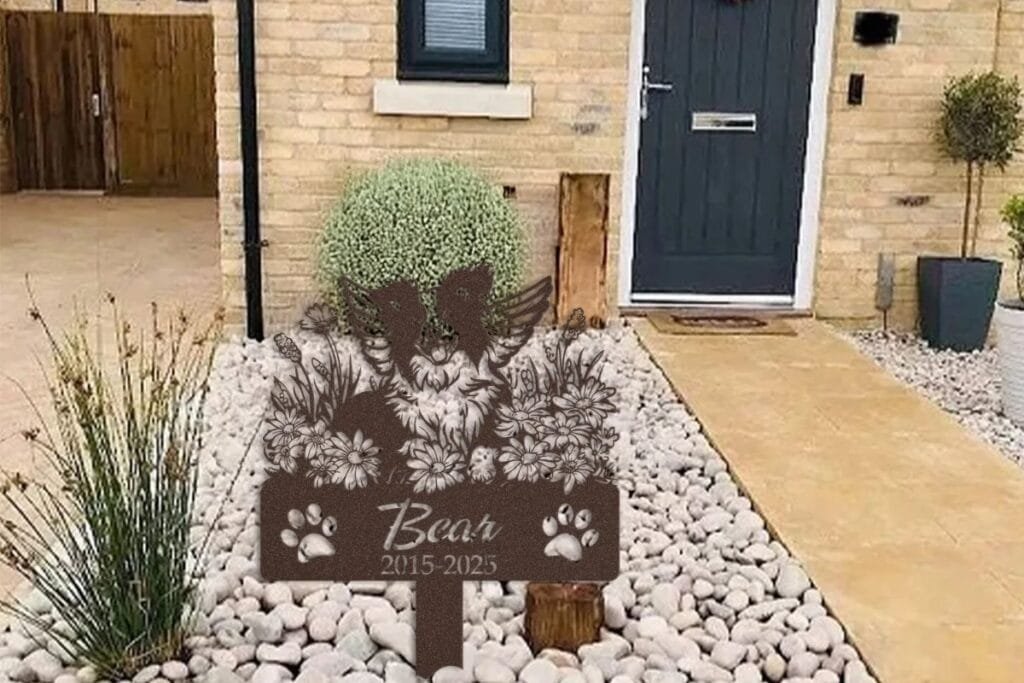
Having somewhere to direct your grief — a spot in the yard, a small object, a marker with their name on it — can make the loss feel less like something you’re carrying alone in your head. A personalized pet grave marker gives you a place to visit, tend to, and simply sit with the memory of them.

Mark the Moments That Matter
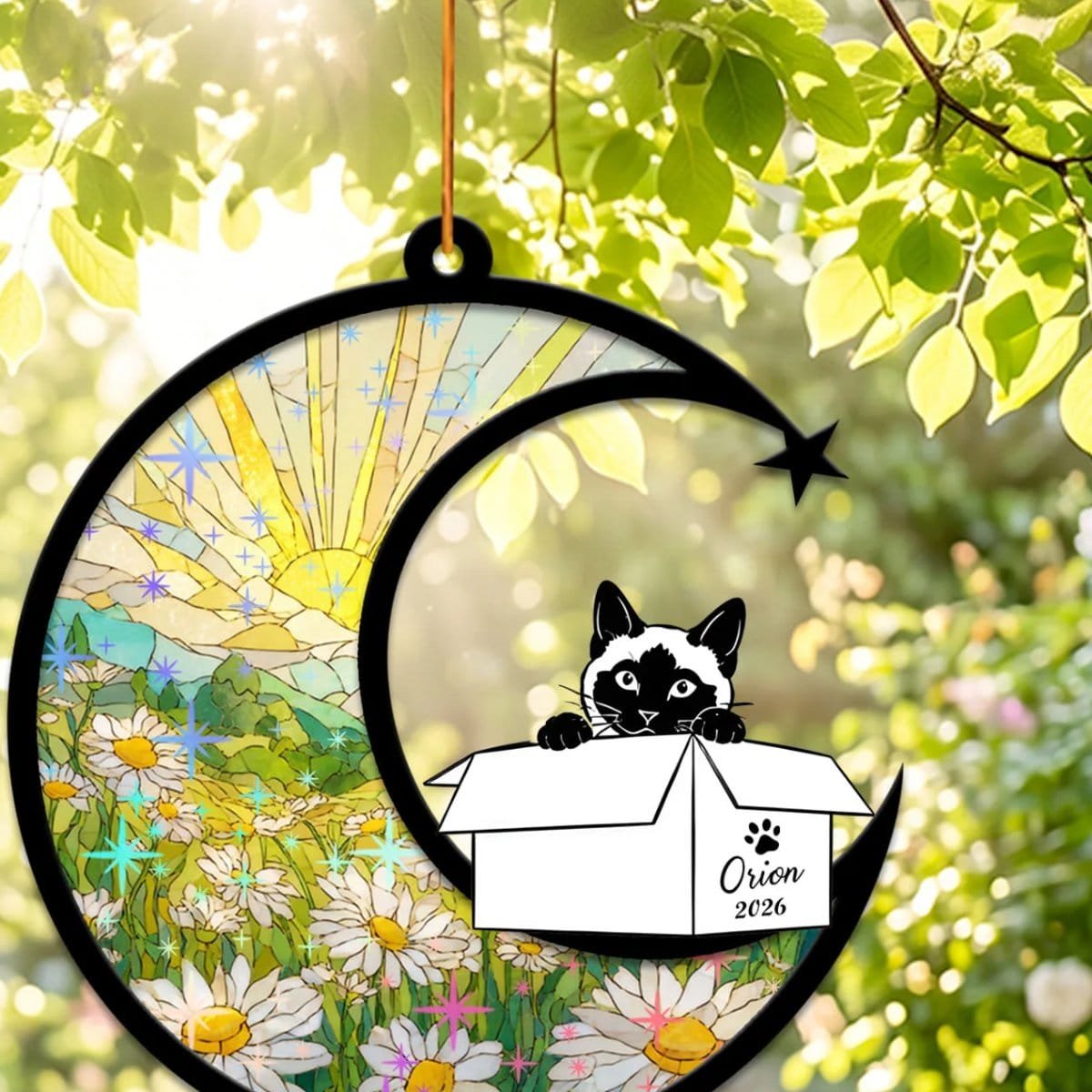
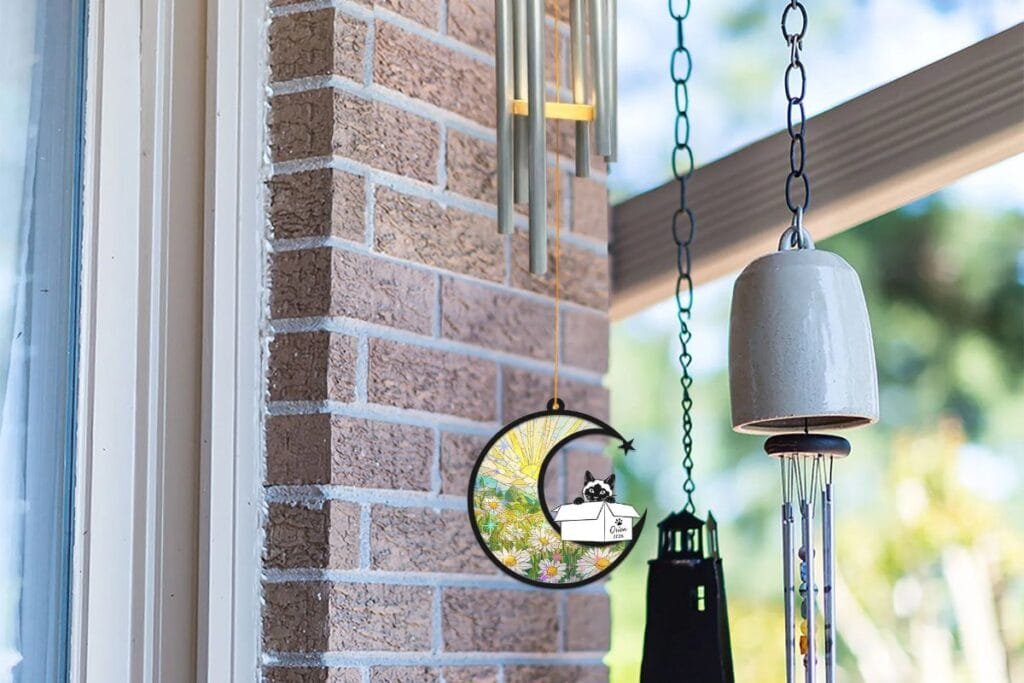
Small rituals help grief settle into something manageable rather than something you’re bracing against. A memorial wind chime hanging somewhere you’ll walk past it often can turn an ordinary day into a small, gentle acknowledgment of them — no ceremony required, just a moment of noticing.
When Grief Doesn’t Ease
For most people, the sharpest edges soften with time, even if the loss never fully disappears. But if weeks turn into months with no shift at all — if it’s hard to function, sleep, or find any moments of relief — it may be worth talking to a grief counselor or looking into a pet loss support group. Needing extra support isn’t a sign you loved them “too much.” There’s no such thing.
There’s No Finish Line, But It Does Get Lighter
Grief over a pet rarely has a clean ending — more often, it just changes shape over time, becoming something you carry rather than something that stops you in your tracks. Giving that grief a place to live, whether that’s a garden marker or a small daily ritual, doesn’t rush the process. It just gives you somewhere to put the love that’s still there.